
UK aviation enters ‘delivery phase’ as Jet Zero report highlights SAF and hydrogen progress
The UK government and aviation industry have signalled a shift from strategy to implementation in their net zero ambitions, as the Jet Zero Taskforce published its first annual progress report at the Sustainable Skies World Summit.
Launched by aviation minister Keir Mather MP on 17 March, the report outlines progress made in 2025 across sustainable fuels, zero-emission technologies and operational efficiency, highlighting what officials describe as a transition into a “delivery phase” for decarbonising air travel.
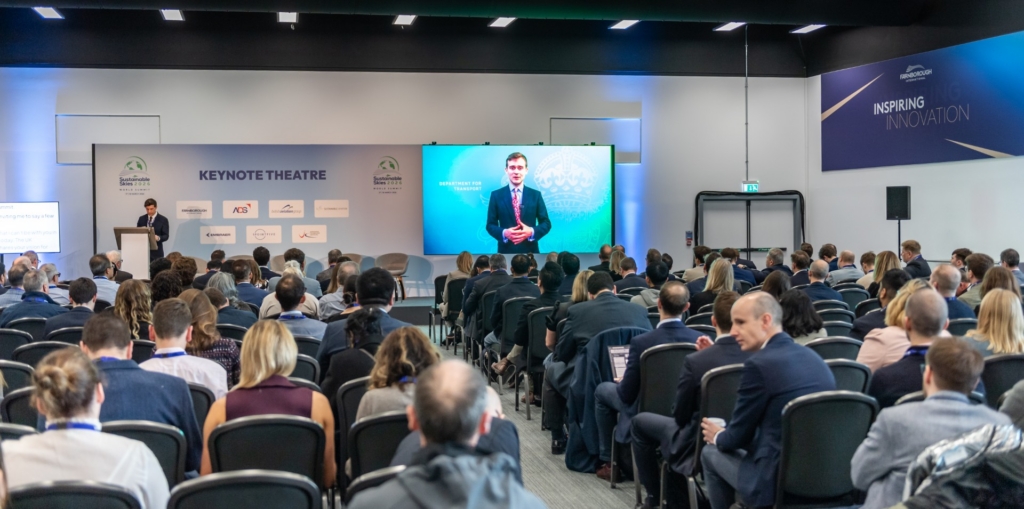
Mather said the UK remains committed to achieving “truly sustainable skies”, but warned that significant barriers remain.
“The progress we are making is encouraging, but we must be clear-eyed that there is still a long way to go,” he said. “There are real challenges ahead, but there are enormous opportunities too.”
UK SAF mandate and funding drive aviation emissions cuts
A central pillar of the UK’s progress is the introduction of the Sustainable Aviation Fuel (SAF) mandate, which came into force in January 2025.
The policy requires fuel suppliers to blend SAF starting at 2%, rising to 10% by 2030, and is intended to both cut lifecycle emissions and stimulate domestic production capacity.

Alongside the mandate, the government has moved to unlock private investment through a proposed Revenue Certainty Mechanism and has committed £63 million via the Advanced Fuels Fund.
Industry activity has accelerated in response, with new SAF supply agreements, production projects and partnerships, including initiatives such as Project Speedbird, aimed at scaling availability.
Hydrogen and electric aviation programmes gather pace
Beyond SAF, the report highlights continued investment in next-generation propulsion and operational improvements.
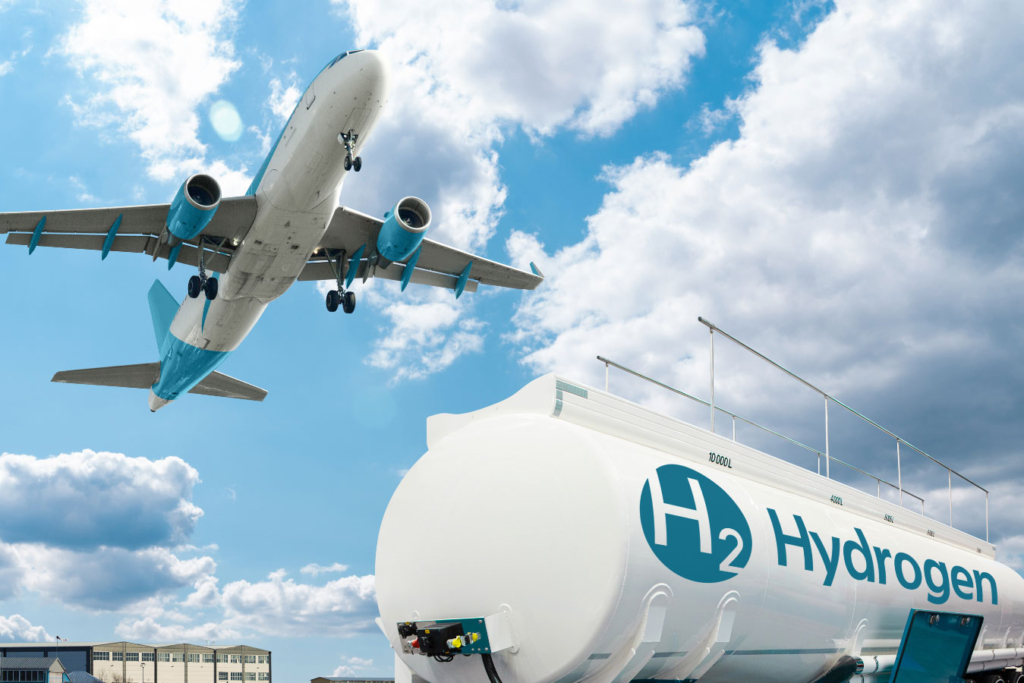
Programmes such as the UK’s Hydrogen Challenge have expanded, supported by nearly £240 million in joint public-private funding for emerging aerospace technologies.
Meanwhile, near-term emissions reductions are being delivered through operational measures, including:
The creation of a UK Airspace Design Service
Improved aircraft spacing and routing
Efficiency gains in air traffic management
These changes are already contributing to lower fuel burn and improved system performance, according to the report.
Carbon removals key to net zero aviation targets by 2050
With aviation recognised as a hard-to-abate sector, the report places increasing emphasis on greenhouse gas removals (GGRs) as a long-term requirement.
Sustainable Aviation announced a £2 million “Advanced Market Signal” initiative, with industry players committing to purchase carbon removal credits to help scale the market.

The sector estimates it will require between 20 and 30 million tonnes of removals annually by 2050 to meet net-zero targets.
Duncan McCourt, chief executive of Sustainable Aviation, said: “Scaling Greenhouse Gas Removals is essential for hard-to-abate sectors, and this Advanced Market Signal is the aviation industry acting now to help stimulate the growth of the GGR sector.”
Aviation industry targets contrails and non-CO₂ emissions
The report also reflects a growing focus on non-CO₂ emissions, including contrails, which are increasingly recognised as a significant contributor to aviation’s climate impact.

Industry plans include:
Greater use of real-time atmospheric data
Targeted deployment of SAF
More optimised flight paths
Expanded scientific research and trials
McCourt added that collaboration will be key to delivering practical solutions that address aviation’s full climate footprint.
Challenges remain in scaling SAF, hydrogen and net zero aviation
While the report paints a broadly positive picture of progress, both government and industry acknowledge that major hurdles remain.
These include scaling SAF production, reducing costs, building infrastructure for hydrogen and electric flight, and developing credible carbon markets.
Mather emphasised that energy security and economic resilience will be central to the transition, alongside continued policy support and private investment.
“The green transition is not only about protecting our planet, but also about strengthening our economy and our resilience,” he said.
