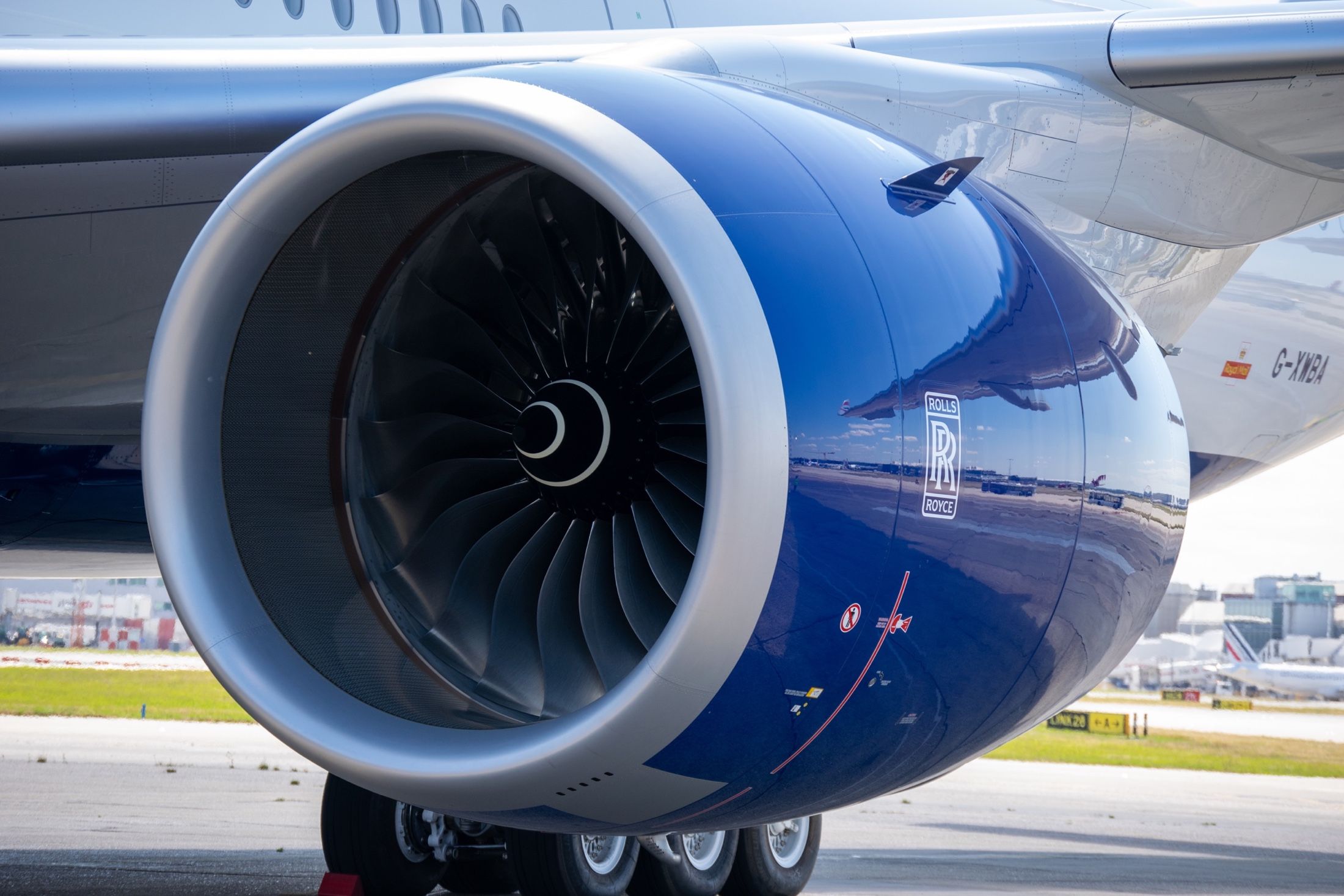
British engine manufacturer Rolls-Royce is preparing to re-enter the narrowbody market after more than a decade. The company has focused on powering long-haul aircraft lately, but now sees a major opportunity in the short-haul segment. According to comments made by Chief Executive Tufan Erginbilgic to The Sunday Times, the company is considering a strategic return with the UK government’s backing.
The government wants to secure the UK’s position in single-aisle engine manufacturing and has made it a central focus of its industrial strategy. Rolls-Royce is speaking with several industrial and engineering partners. Additionally, a potential revival of its former joint venture with Pratt & Whitney is under consideration.
UK Backs Rolls-Royce With Potential Taxpayer Support For New Narrowbody Engine
The government last week said that “gas turbines are critical to UK national and economic security, and our role and capabilities in the UK with companies like Rolls-Royce can lead to significant growth.” The UK is backing Rolls-Royce to become a global leader in the $1.6 trillion (approximately £1.26 trillion) market for short-haul aircraft engines, with potential taxpayer support for its next generation of jet engines.
During his interview with The Sunday Times, Erginbilgic confirmed that the company is in discussions with the government over the potential support for the engine program. Rolls-Royce has been working on the development of the approximately $4 billion (£3 billion) UltraFan engine program, which has been in progress for several years. He told the outlet:
“Given the technology we have, given the credibility we establish in the industry, and the financial strength we have and the engineering capability, we are actually saying we can play in the narrowbody [market]."
Rolls-Royce Targets 2028 Ground Testing For UltraFan Narrowbody Demonstrator
Photo: Karolis Kavolelis | Shutterstock
For the past decade, Rolls-Royce has focused exclusively on widebody engines, but it was once an active player in the narrowbody segment. The company previously developed engines such as the RB11-535 for the Boeing 757, the Tay series for aircraft like the Fokker 100, and the BR715 for the Boeing 717.
It was also a founding partner in the International Aero Engine consortium and contributed to the V2500 engine that powered the Airbus A321ceo and McDonnell Douglas MD-90. That involvement ended in 2011 when Rolls-Royce exited the joint venture. The British manufacturer is now eyeing a re-entry into the market.
In April, it formally launched the single-aisle UltraFan geared turbofan engine demonstrator, which is scheduled for ground testing in 2028. Its possible entry into service is targeted for the early 2030s. It is also considering industrial partnerships to support the program.
“We are saying we have the engineering capability. But if you consider beyond engineering capability and so on, I believe … that [a partnership] may be the best outcome for the company,” Erginbilgic told The Sunday Times. Industry sources have pointed to several possible collaborators, including Pratt & Whitney, Mitsubishi, Kawasaki, MTU Aero Engines, and Hyundai.
Rolls-Royce’s return to the narrowbody market would place it in direct competition with established players. Pratt & Whitney and CFM International, a joint venture between GE and Safran, currently power most of the world’s single-aisle aircraft. Any successful entry would require not only a competitive engine but also a deal with one of the two major airframers.
Airbus has floated plans for a successor to the A320 series in the mid-2030s, with a focus on incorporating newer technologies to boost efficiency. Earlier this year, the company signaled interest in an open-fan engine being developed by CFM, which features an exposed design rather than a traditional enclosed turbine.
While this has been viewed as a possible direction, Airbus has not yet made a final decision on engine suppliers. Rolls-Royce could still have a chance. The planned UltraFan demonstrator is expected to be ready for ground testing in 2028, which would align with the timelines Airbus and Boeing are targeting for their next-generation single-aisle programs.

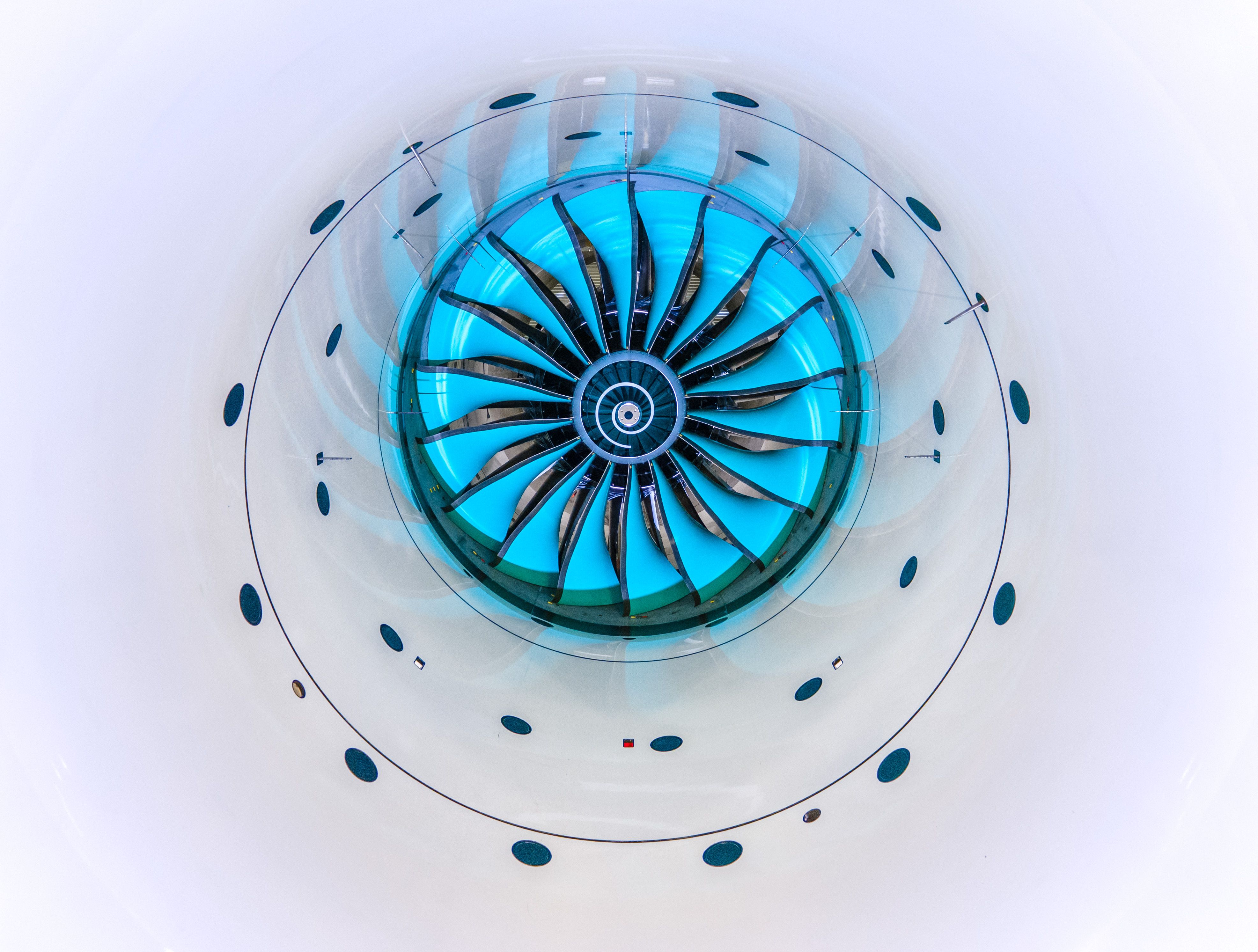 Photo:
 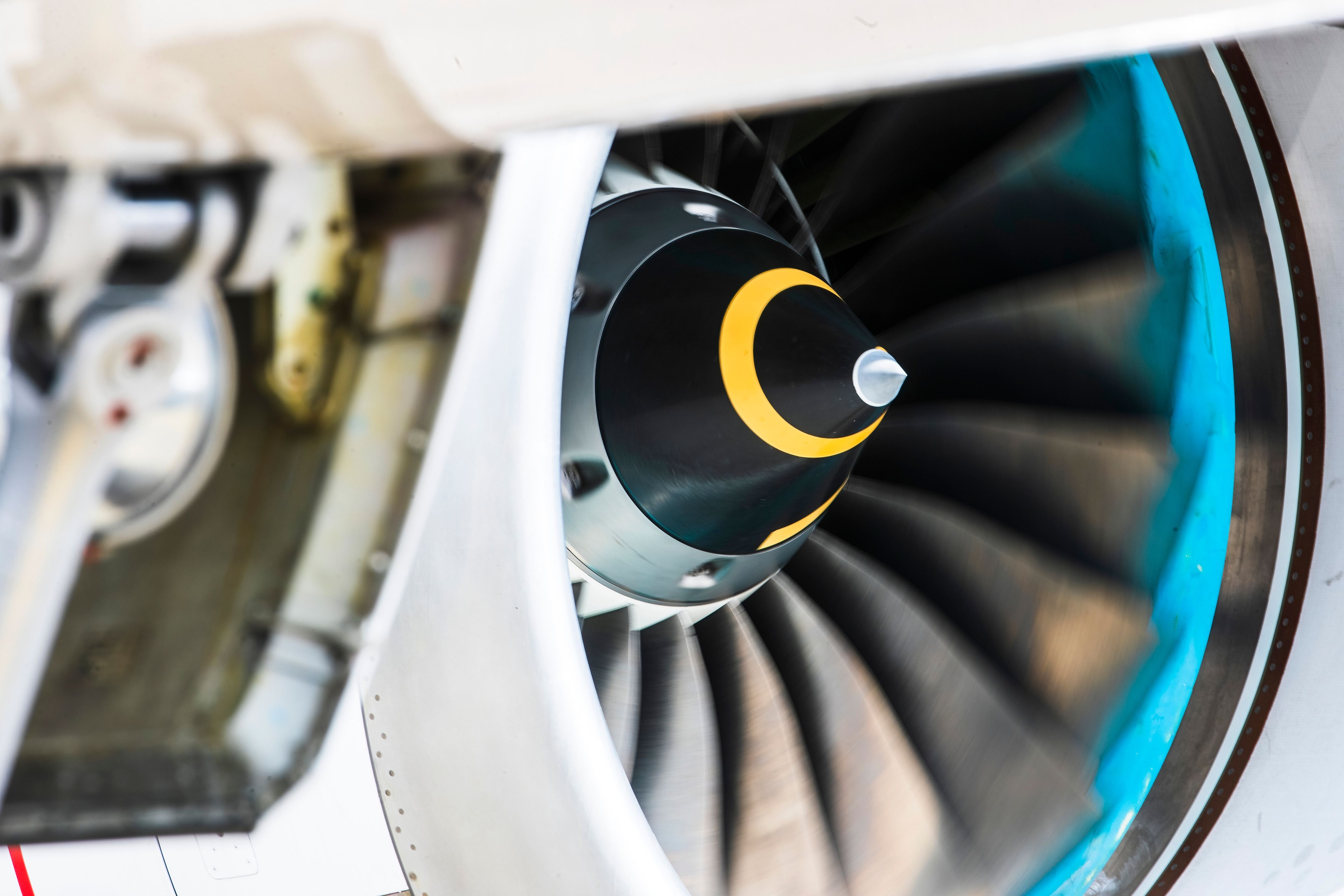 Photo: Karolis Kavolelis | Shutterstock
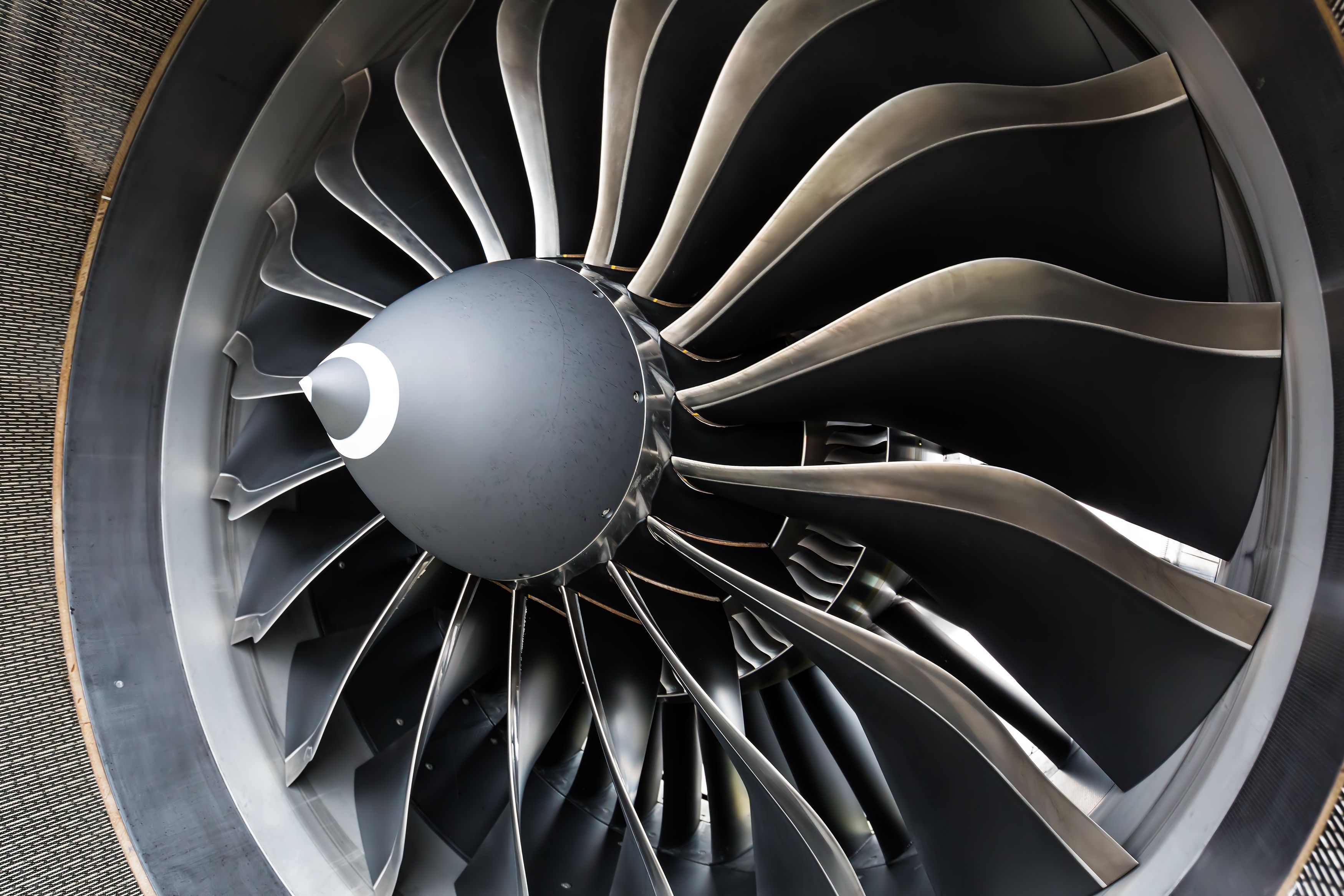 Photo: M101Studio | Shutterstock