
NASA rolls Artemis II back to the workshop as SLS helium issue delays mission
A new problem has forced NASA to roll its Artemis II rocket off the launch pad and back into the Vehicle Assembly Building at Kennedy Space Center, throwing four astronauts’ impending journey around the Moon into uncertainty.
The setback, triggered by a helium flow anomaly in the rocket’s upper stage, is the latest disruption to a mission already navigating hydrogen leaks, shifting launch windows and the aftershocks of Boeing’s troubled Starliner programme.
The decision to retreat was taken on the morning of 25 February. Launch director Charlie Blackwell-Thompson gave the formal “go” for rollback at 9:28 a.m. EST.
Ten minutes later, at 9:38 a.m., the Space Launch System (SLS) rocket and Orion spacecraft began their slow departure from Launch Pad 39B. By approximately 8 p.m., the stack had completed its roughly 12-hour crawl back inside the Vehicle Assembly Building.
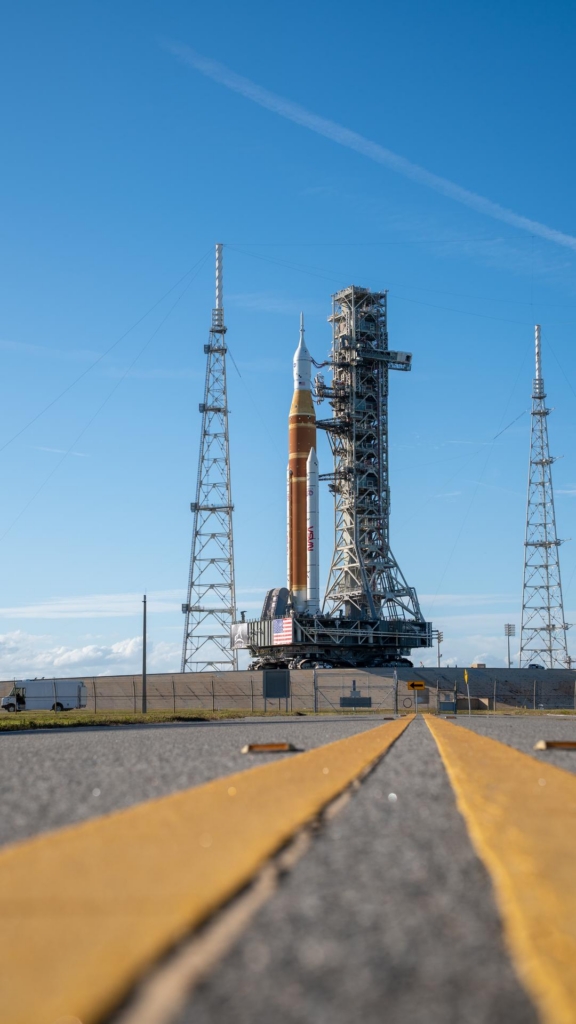
Once indoors, technicians will establish work platforms to diagnose the helium flow issue affecting the upper stage. While there, teams will also replace batteries on the upper stage, core stage and solid rocket boosters, and service the flight termination system, all tasks more safely handled under controlled conditions.
NASA’s Artemis II helium anomaly follows earlier SLS hydrogen leak concerns
The helium issue surfaced only days after NASA had completed a wet dress rehearsal, a full fuelling and countdown simulation, that had initially been viewed as a step forward. Engineers believed they had finally contained persistent hydrogen leaks that had earlier halted tanking operations.
Hydrogen handling has long been a vulnerability for the SLS programme. In early February, fuel loading was paused twice after leak rates rose at the liquid hydrogen interface, forcing controllers to stop the countdown at T-minus five minutes and drain the vehicle.
Similar issues delayed Artemis I in 2022, leading to multiple scrubbed launch attempts before that uncrewed mission eventually lifted off in November of that year.
NASA had identified several early March launch opportunities for Artemis II, with secondary windows in April under consideration.
The latest rollback effectively removes the possibility of an immediate March attempt, with the agency now targeting no earlier than April pending repairs and analysis.
Helium plays a critical role in rocket operations, used to pressurise propellant tanks and purge fuel lines. Any irregularity in its flow, particularly in the upper stage that will propel Orion toward the Moon, must be resolved before a crew boards the vehicle.
Artemis II crew prepares for NASA’s first deep-space mission since 1972
When Artemis II does fly, it will carry NASA astronauts Reid Wiseman, Victor Glover and Christina Koch, along with Canadian Space Agency astronaut Jeremy Hansen, on a 10-day lunar flyby mission.
The Orion spacecraft will travel approximately 7,600 kilometres beyond the far side of the Moon, pushing farther into space than any human mission since Apollo 13 in 1970. It will mark the first time astronauts venture beyond low Earth orbit since Apollo 17 returned in December 1972.
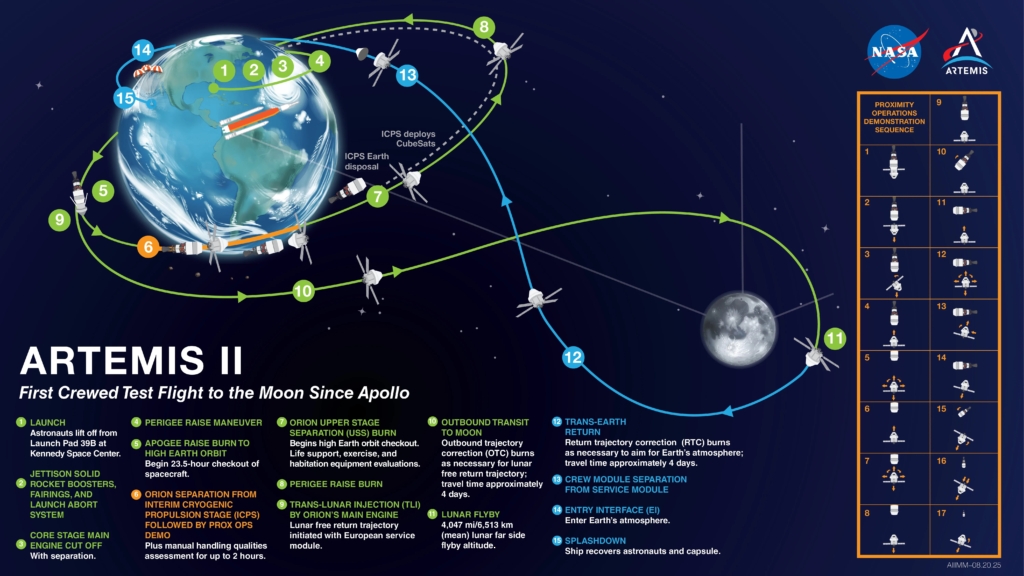
Unlike Artemis I, which was fully uncrewed, Artemis II represents a step change in risk and complexity. The mission will validate life-support systems, navigation, communications and deep-space operational procedures ahead of Artemis III, currently scheduled for 2028, which aims to land astronauts on the lunar surface for the first time in more than half a century.
For NASA, the distinction is stark: anomalies discovered on the ground are inconvenient; anomalies in deep space can be catastrophic.
Starliner’s shadow still lingers over NASA’s decision-making
The Artemis setback comes at a sensitive moment. Only days ago, NASA released the findings of an independent investigation into Boeing’s CST-100 Starliner crewed flight test, launched on 5 June 2024 under the Commercial Crew Program.
What was intended as a routine eight-to-14-day certification mission instead stretched to 93 days after propulsion problems emerged in orbit.
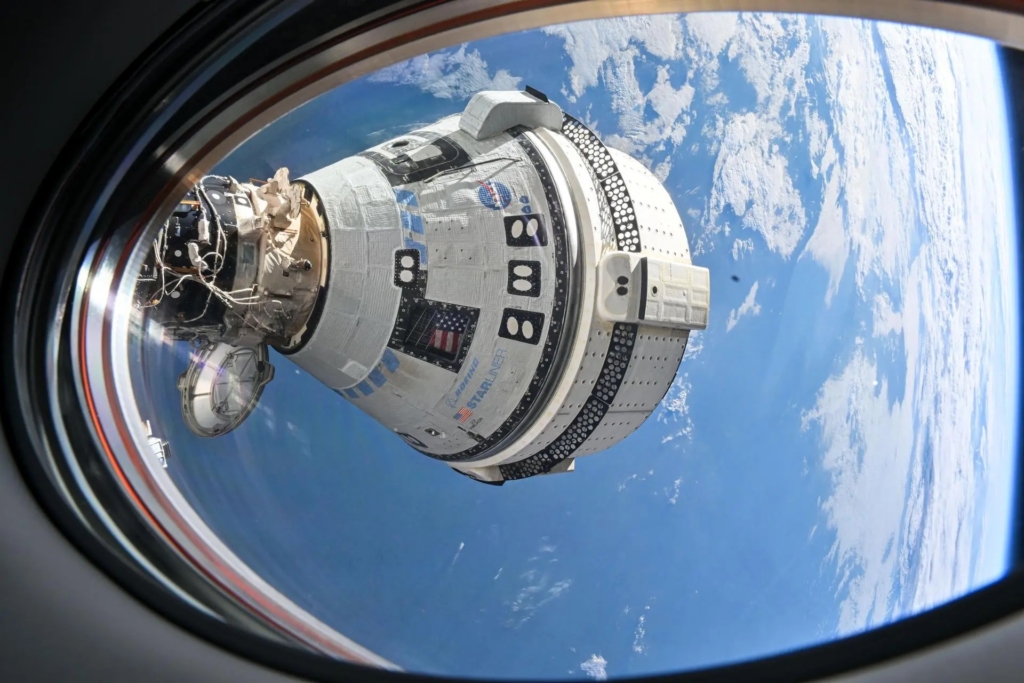
The spacecraft ultimately returned to Earth uncrewed in September 2024, while astronauts Butch Wilmore and Suni Williams remained aboard the International Space Station until they were brought home on a SpaceX Crew Dragon mission in March 2025.
NASA later classified the episode as a Type A mishap – its most serious category – citing propulsion anomalies, helium leaks, qualification gaps and leadership failures.
Investigators concluded that schedule pressure and programme advocacy had influenced risk discussions before launch.
The agency has since stated that Starliner will not carry astronauts again until its technical causes are fully understood and corrected.
Against that backdrop, there is little appetite within NASA to press ahead with Artemis II until every propulsion system behaves exactly as intended.
Artemis II rollback adds pressure to NASA’s Moon timeline
Artemis II is a linchpin mission. Its success is essential not only for Artemis III but for the credibility of NASA’s broader lunar exploration architecture encompassing the Space Launch System, Orion spacecraft, lunar landers and future surface infrastructure.
Artemis I’s delays, Artemis III’s revised timeline, and now repeated slips to Artemis II illustrate the complexity of building and flying one of the most powerful launch systems ever assembled.
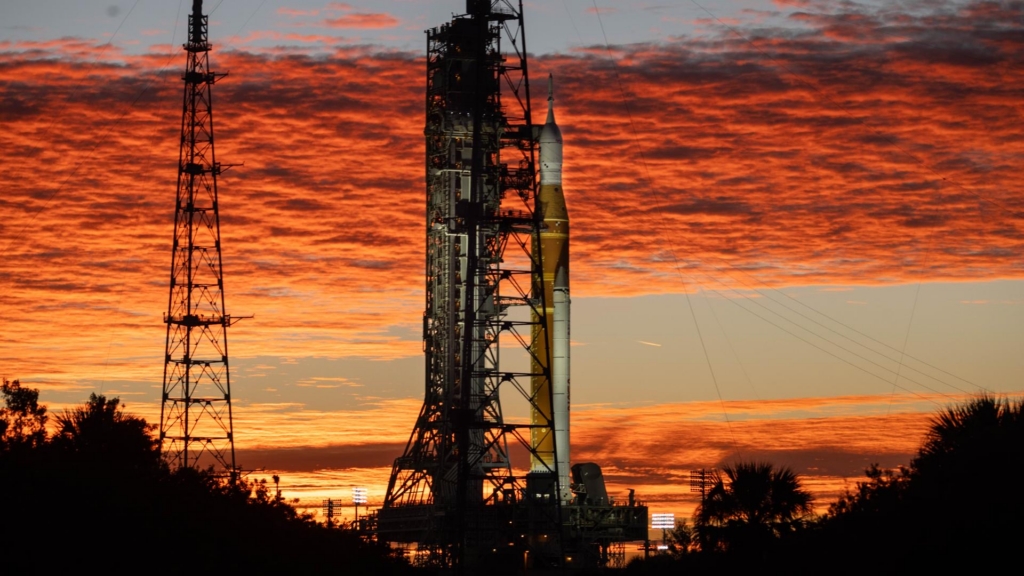
NASA officials insist the rollback reflects discipline rather than crisis. The Vehicle Assembly Building offers unrestricted access for inspection and repair, far preferable to attempting fixes on the exposed launch pad.
After the Starliner ordeal, few within the agency are willing to let schedule commitments override engineering caution.
For the Artemis II crew, the delay is another reminder that deep-space exploration remains unforgiving. Their spacecraft stands ready. Their mission profile is defined. The Moon awaits.
But until a thin stream of helium flows exactly as it should through the upper stage of the most powerful rocket NASA has built in decades, their journey will remain on hold.
