
This European Country's Airlines Are Using Less Fuel Than Ever Before
In recent years, airlines, airports, and other major aviation stakeholders have all been keeping a close eye on their fuel consumption. With the rollout of sustainable aviation fuel ( SAF) having been relatively slow thus far, and alternative means of propulsion such as hydrogen and electricity still in their embryonic phases, the best that most carriers can do now is look to reduce their use of conventional jet fuel.
This is an initiative that, in Germany, seems to be being carried out with a considerable degree of success, putting the country's airlines and airports in a good position as far as their progress towards meeting the industry's shared goal of net-zero emissions by 2050 is concerned. Indeed, one of the nation's leading interest groups recently revealed that German airlines are using less fuel than ever before.
Jet Fuel Use Is At An All-Time Low In Germany
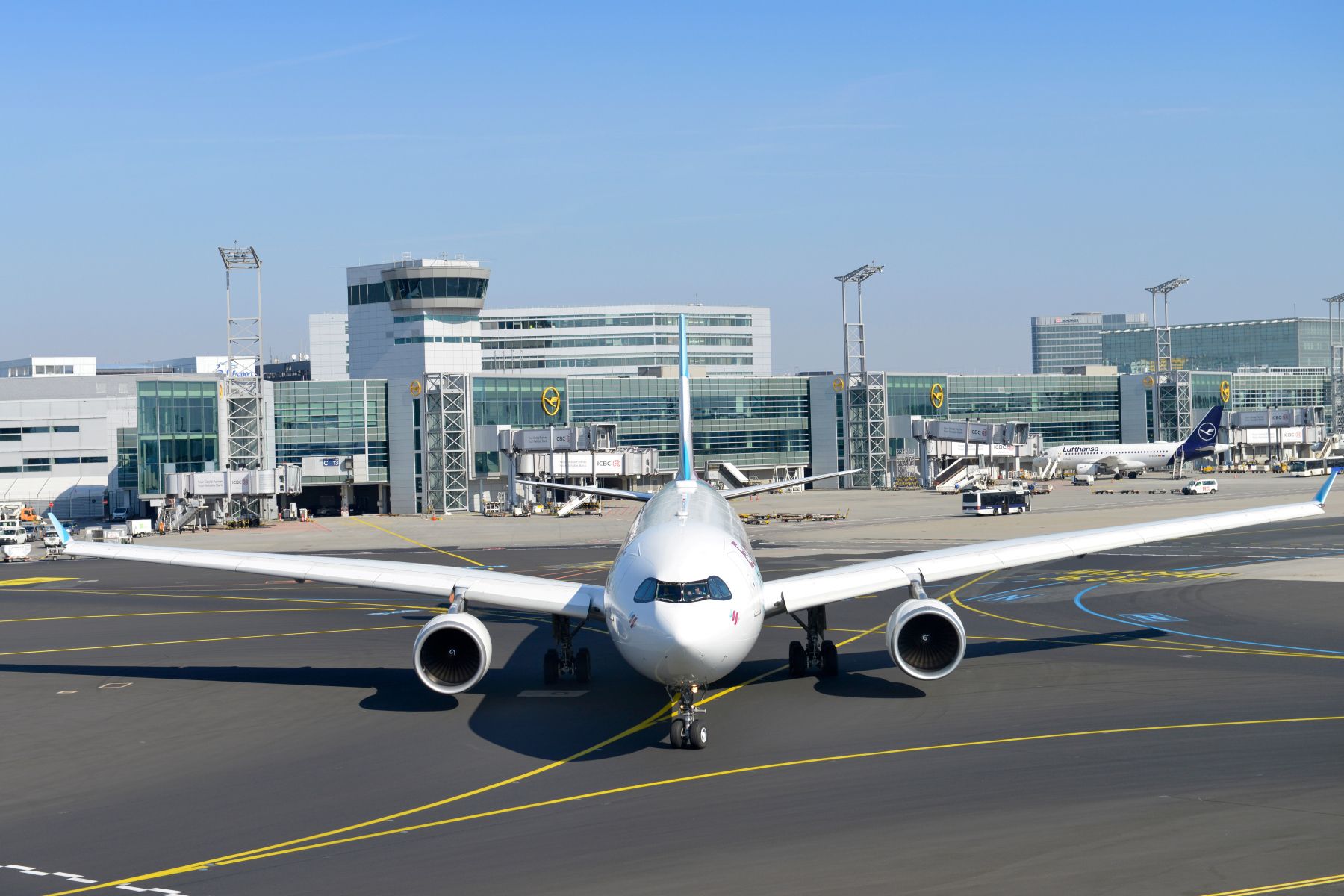 Photo: Fraport AG
Last week, the Bundesverband der Deutschen Luftverkehrswirtschaft ('German Aviation Association') proudly announced that jet fuel consumption at German airlines had reached a record low, averaging just 3.38 liters per passenger per 100 km (62 miles) in 2024. According to the BDL, a Berlin-based aviation interest group, this represents a 46% reduction compared to 1990's figure of 6.3 liters.
With carbon emissions per passenger having correspondingly been cut almost in half in the last 34 years, German carriers are certainly doing their bit when it comes to making the commercial aviation sector a more sustainable industry. According to the BDL, only 12% of respondents to a survey correctly guessed that the figure would be this low, with Dr Joachim Lang, its Managing Director, explaining that:
"Many people are surprised by how low the actual kerosene consumption of a flight actually is, and German airlines are improving their carbon footprint year after year. (...) Thanks to quieter engines, noise pollution is also significantly reduced, especially during takeoff and landing. This also benefits residents living near airports."
Over 30% Of Germans Expected Consumption Levels To Be Nine Times As High
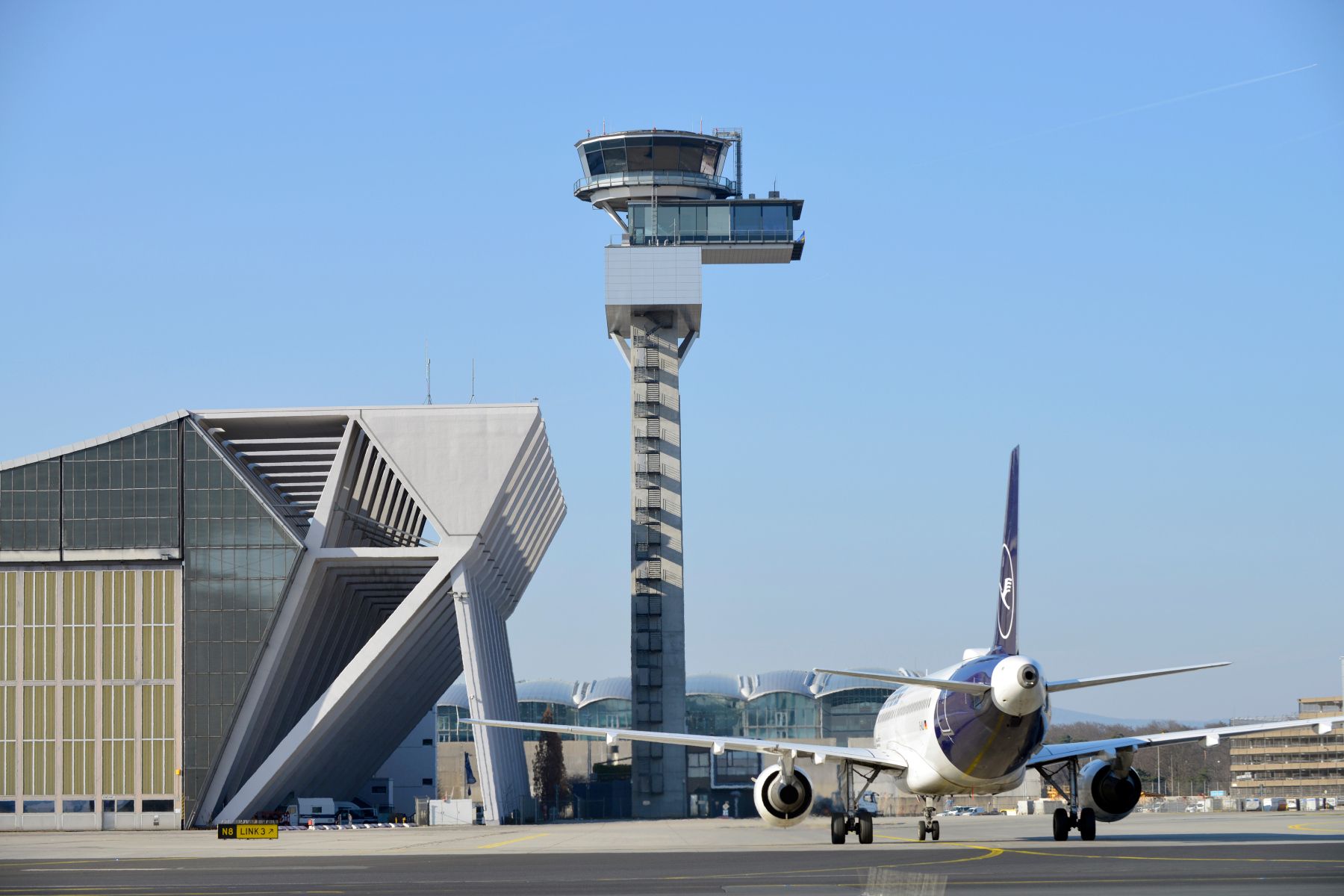 Photo: Fraport AG
Diving into further detail regarding its survey concerning the average jet fuel consumption per passenger per 100 km in Germany, the BDL explains that "31% estimated the average consumption at 30 liters," almost nine times as high as the actual figure of 3.38 liters. A similar proportion (around a third) were unable to provide an answer, with a further 23% putting 15 liters as their educated guess.
The BDL cites fleet renewal programs at German airlines as being a driving force behind the nation's impressive overall reduction in average fuel consumption. Indeed, Lang goes on to explains that "replacing an older aircraft with a new model immediately reduces kerosene consumption and CO2 emissions by up to 30%."
According to the BDL, Germany's airlines currently have a collective fleet of 830 aircraft. However, they are also investing in their future on a considerable scale, with the group explaining that they have also "placed or reserved orders for 482 new aircraft with a list price of €82 billion ($96 billion) through 2034." Each of these new arrivals in the coming nine years will further reduce average fuel consumption.
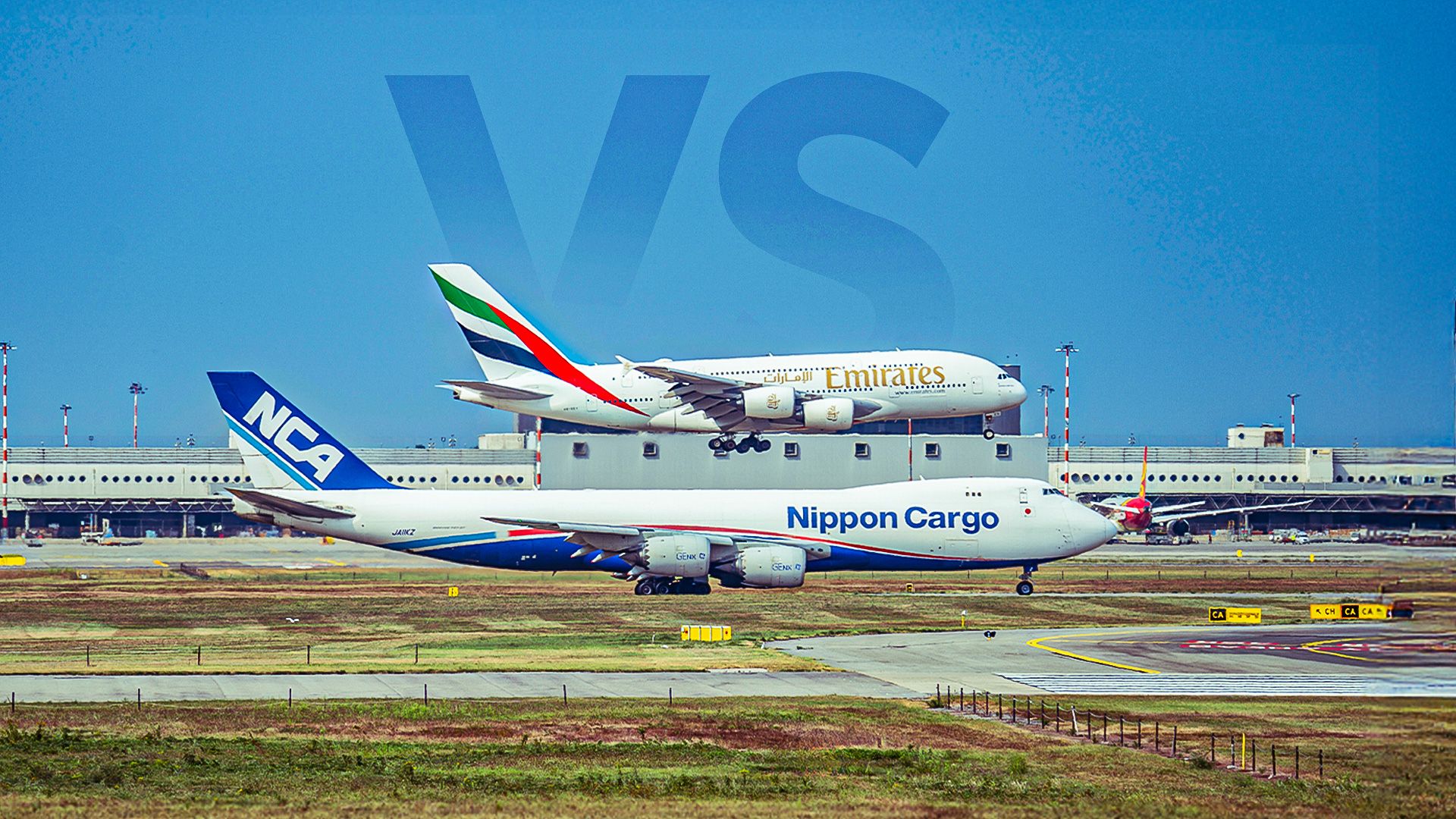
While the A380 and 747 remain marvels of aviation, their fuel efficiency is no longer at the cutting edge.
Long-Haul Aircraft Are Particularly Fuel-Efficient
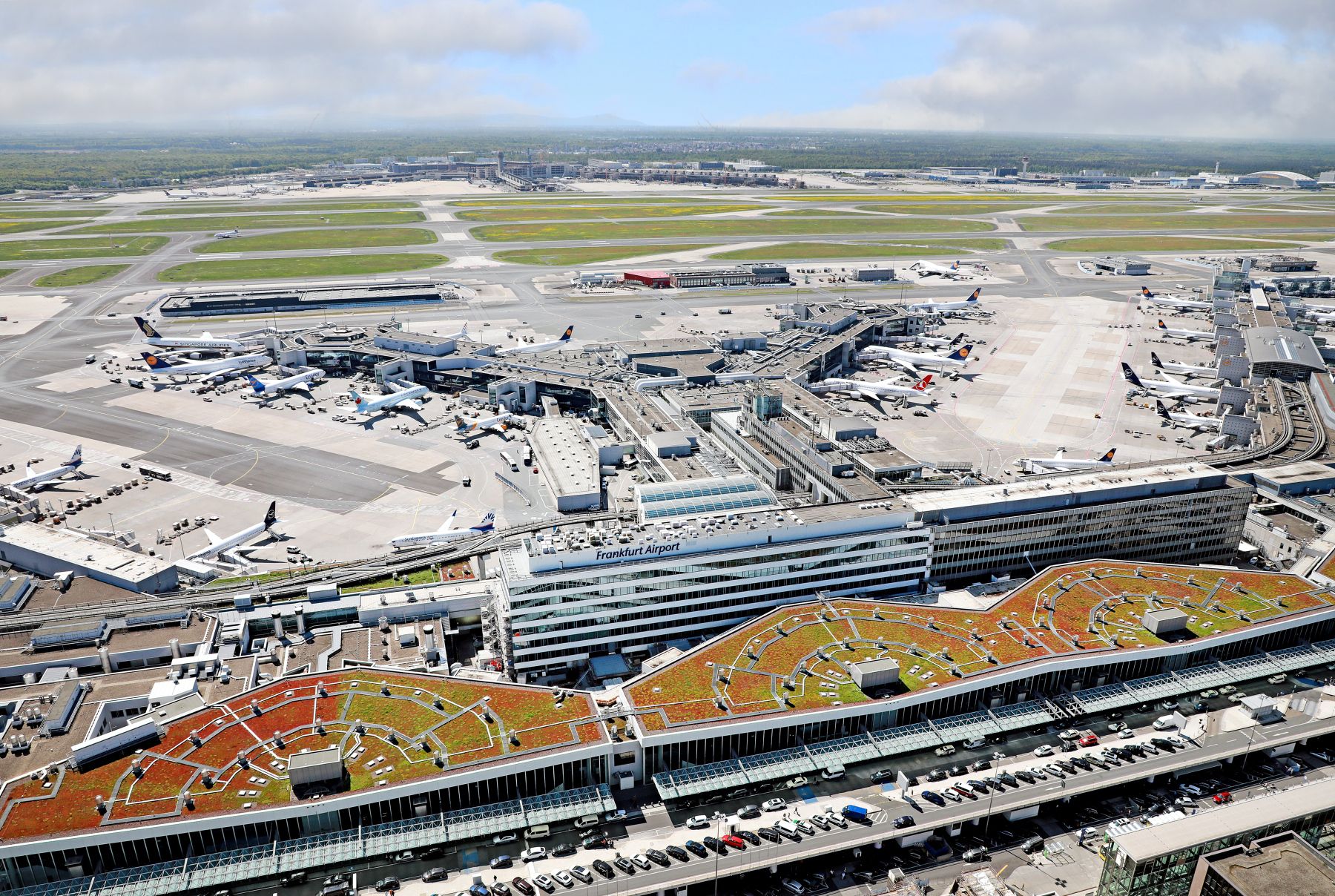 Photo: Fraport AG
While Germany's airlines averaged 3.38 liters of jet fuel consumption per passenger per 100 km in 2024, there are certain aircraft where this figure drops even lower. Most notably, widebody long-haul aircraft, where there are more passengers between whom to divide the fuel consumption, are the shining stars on this front.
According to the BDL, widebodies can sometimes be more than a liter better than the overall national average when it comes to jet fuel consumption per passenger per 100 km, with the group explaining that the most modern examples average between 2.1 and 2.5 liters. However, delivery delays, the BDL explains, are preventing German airlines from boosting their fleet renewal and fuel consumption reduction.


Lufthansa
- Airline Type
- Full Service Carrier
- Hub(s)
- Frankfurt Airport, Munich Airport
- Year Founded
- 1953
- Alliance
- Star Alliance
- Airline Group
- Lufthansa Group

According to ch-aviation, German flag carrier Lufthansa has 110 widebodies in its fleet (amongst an overall total of 305), with these split between the Airbus A330, A340, A350, A380, Boeing 747, and Boeing 787 families. Going forward, the  Star Alliance founding member has outstanding orders for A350, 777X, and 787 series widebodies, which, when delivered, will continue to help it reduce fuel consumption.
