
Autonomous aircraft take step forward as Reliable Robotics completes FAA trials
Reliable Robotics has completed a Federal Aviation Administration-backed flight test campaign aimed at validating detect-and-avoid (DAA) systems for large uncrewed aircraft, marking a step forward in efforts to integrate remotely piloted aircraft into some of the busiest parts of controlled airspace.
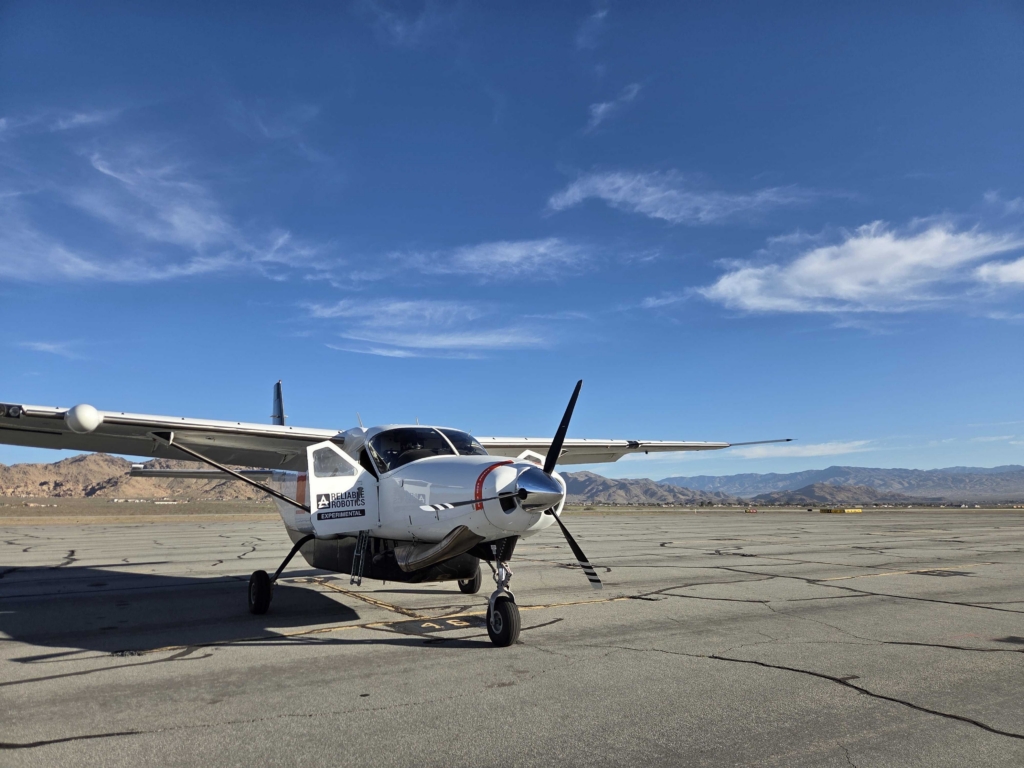
According to a statement from the company, the trials used a modified Cessna 208B Grand Caravan equipped with the company’s DAA system, operating alongside an “intruder” aircraft to simulate loss-of-separation scenarios.
The work, carried out under the FAA’s Broad Agency Announcement (BAA) programme, focused on operations in and around airport environments where aircraft operate at low altitude, often under mixed visual and instrument flight rules, and where separation is most difficult to maintain.
Reliable Robotics tests detect-and-avoid in complex airport airspace
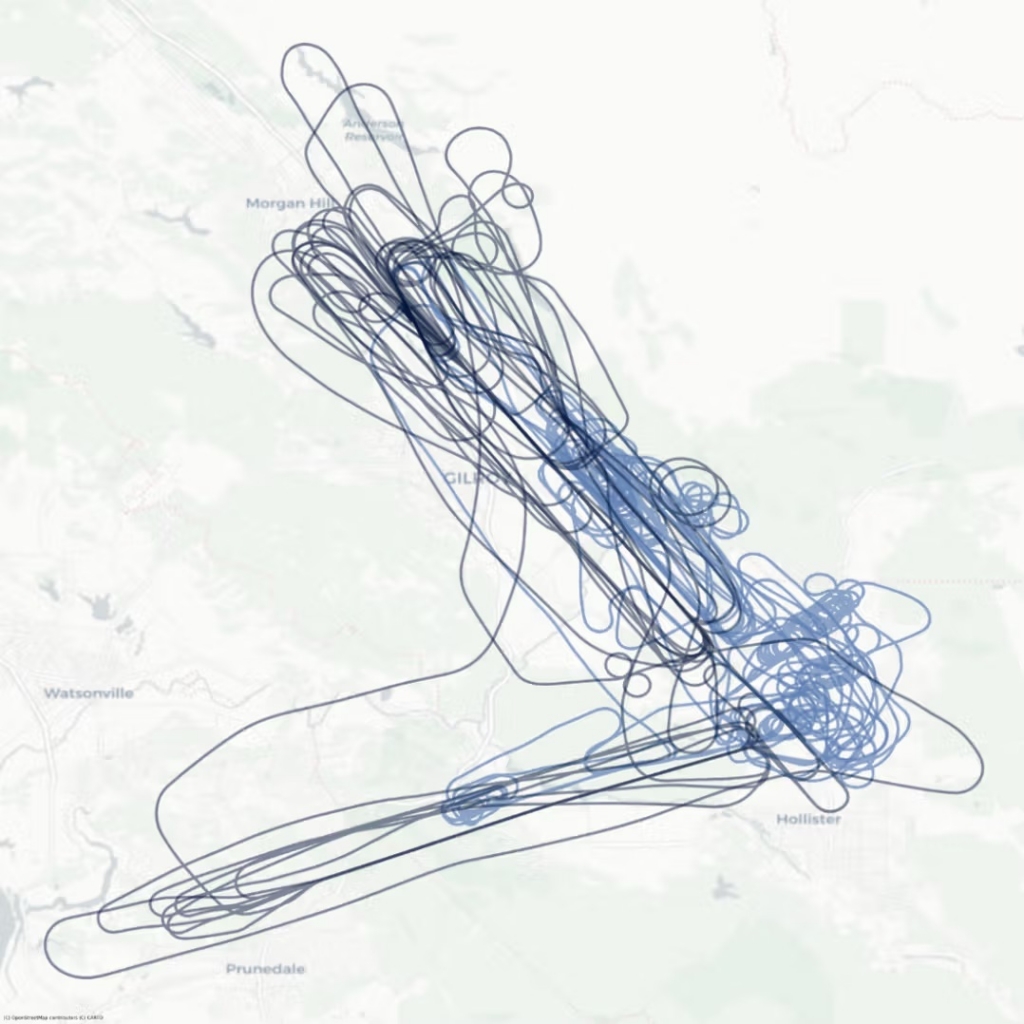
The campaign centred on the terminal area around Hollister Municipal Airport in California, where Reliable conducted a series of controlled flight tests designed to replicate real-world traffic conditions.
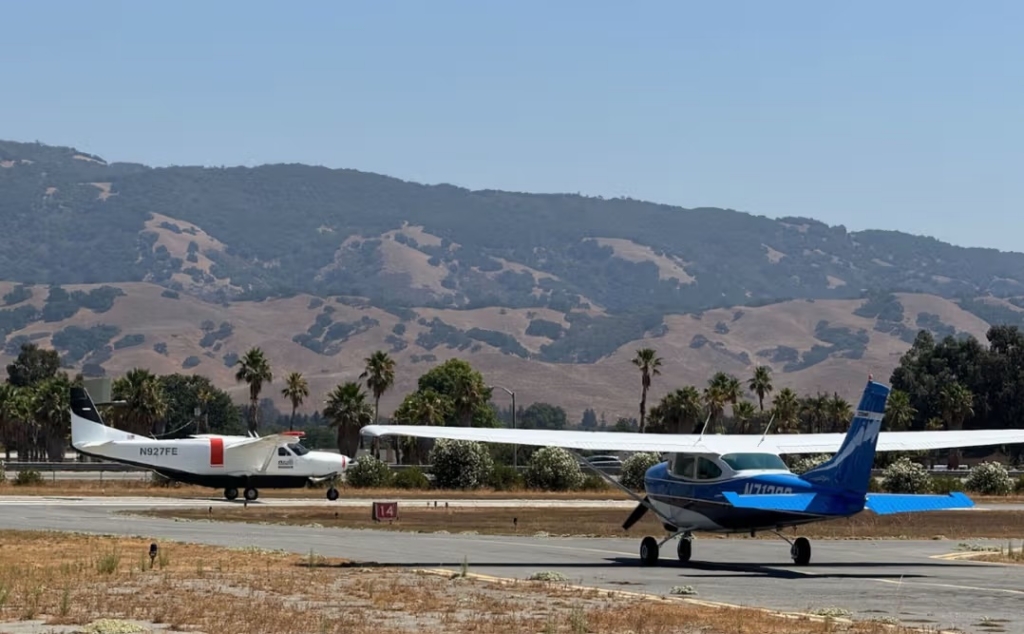
More than 50 scripted encounters were flown, with both aircraft placed on converging paths under controlled conditions. The aim was to test how reliably the system could detect nearby traffic and generate avoidance guidance without breaching safety margins.
The Caravan was controlled remotely from a ground station located roughly 50 miles away, while its onboard systems handled navigation and approach procedures.
Detect-and-avoid system tested against cooperative and non-cooperative traffic
At the centre of the trials was a DAA system built around the FAA-developed Airborne Collision Avoidance System X (ACAS X), a next-generation evolution of TCAS II used in commercial aviation.
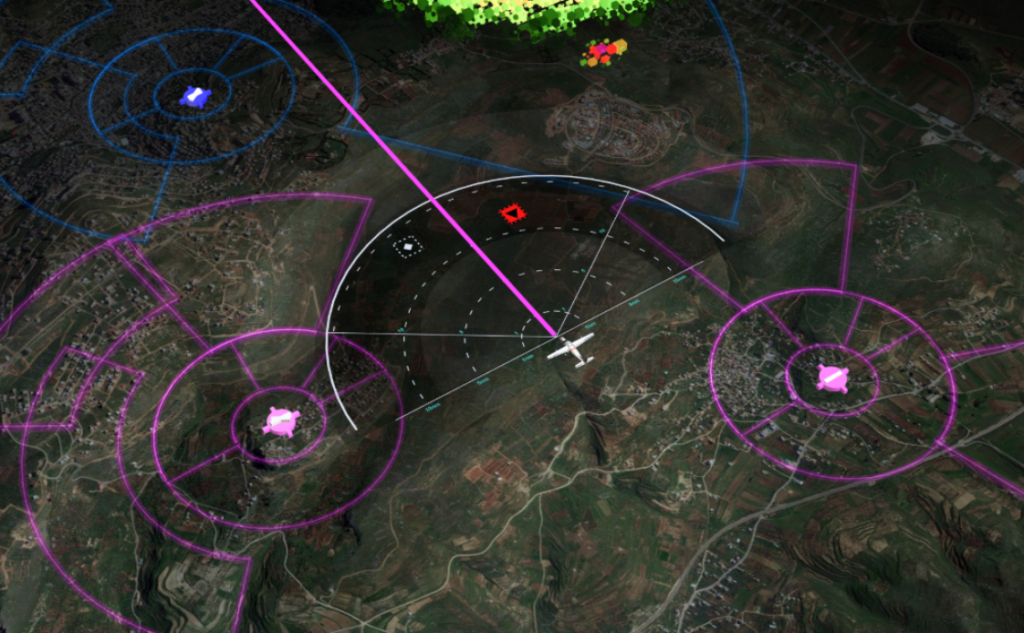
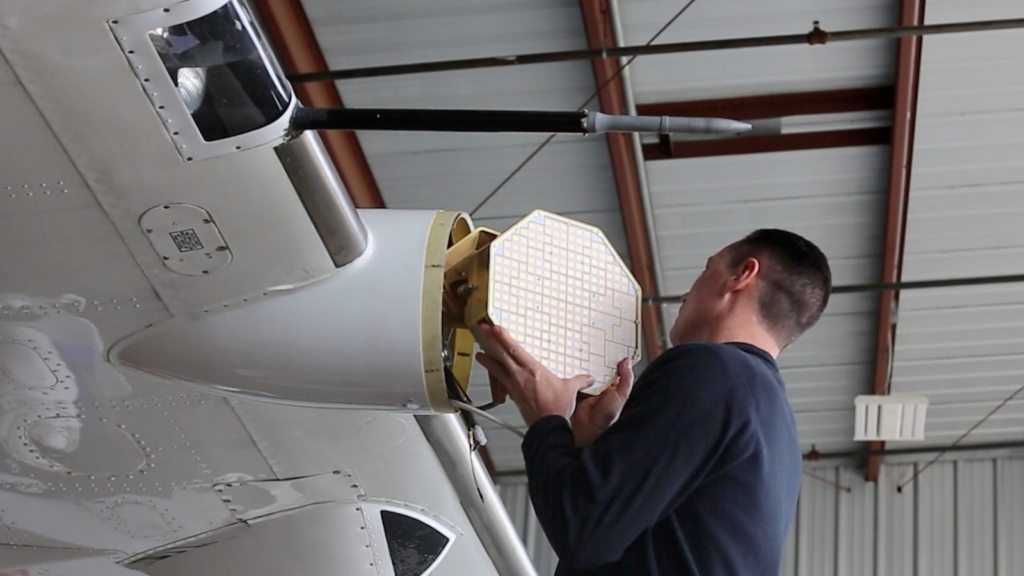
Reliable is using the ACAS Xu variant, tailored for uncrewed, fixed-wing aircraft, integrating it with onboard radar and sensors capable of tracking both cooperative aircraft, those broadcasting their position, and non-cooperative traffic that may not be visible through conventional means.
This dual capability is considered essential for operations in lower-altitude airspace, where older or smaller aircraft may not be fully equipped with modern surveillance systems.
Data from the campaign is being fed into standards development efforts led by RTCA committees, which are working to define performance requirements for DAA systems across a range of aircraft types, including rotorcraft and emerging electric vertical take-off and landing platforms.
Detect-and-avoid system behaviour shifts between en route and terminal airspace
One of the key findings from the campaign relates to how the system behaves in different flight environments.
According to the results, the “behaviour and output” of the ACAS X algorithm changes between en route and terminal airspace, reflecting the operational adjustments pilots already make when transitioning between controlled, instrument-led flight and more dynamic visual traffic conditions.
This distinction is particularly important in airport environments, where aircraft flying under instrument flight rules must interact safely with those operating visually within traffic patterns.
Reliable said the data gathered during these tests is difficult to replicate in laboratory conditions and is expected to support the FAA and industry groups as they refine certification standards.
Industry partners support Reliable Robotics detect-and-avoid testing
The flight campaign combined live operations with extensive hardware-in-the-loop testing, bringing together multiple industry partners.
Virginia Tech’s Mid-Atlantic Aviation Partnership supported the effort, while companies including Sagetech, Collins Aerospace and uAvionix provided key components such as prototype ACAS X hardware, ground-based radar and communication systems.
The integration of these systems allowed the tests to mirror operational conditions more closely, particularly in scenarios involving mixed traffic and varying levels of aircraft equipage.
Reliable Robotics advances autonomous Caravan certification with FAA trials
The DAA work forms part of Reliable Robotics’ broader effort to certify an autonomous flight system for the Caravan platform.
The company is pursuing a supplemental type certificate to convert the aircraft into an uncrewed system, alongside approvals covering remote operation, ground control infrastructure and command-and-control links.
Its autonomy architecture is designed to manage all phases of flight, from take-off to landing, while allowing a remote operator to communicate with air traffic control and intervene when required.
The approach is aimed at enabling routine operations across standard airspace without the need for special exemptions.
Further FAA-backed trials planned as standards for large UAS evolve
While the FAA has established frameworks for smaller drones, standards for larger uncrewed aircraft operating in controlled airspace are still evolving.
The data from this campaign is expected to play a role in shaping those rules, particularly around how autonomous systems interact with existing traffic in busy environments.
Reliable has already carried out similar work with NASA and is preparing for additional operational deployments, including autonomous cargo flights in New Mexico and a year-long mission in Guam backed by the US Air Force.
Those efforts are intended to build a broader evidence base as regulators move towards certifying routine operations for large uncrewed aircraft.
