Alaska Airlines expects Boeing 737 MAX 10 certification within days
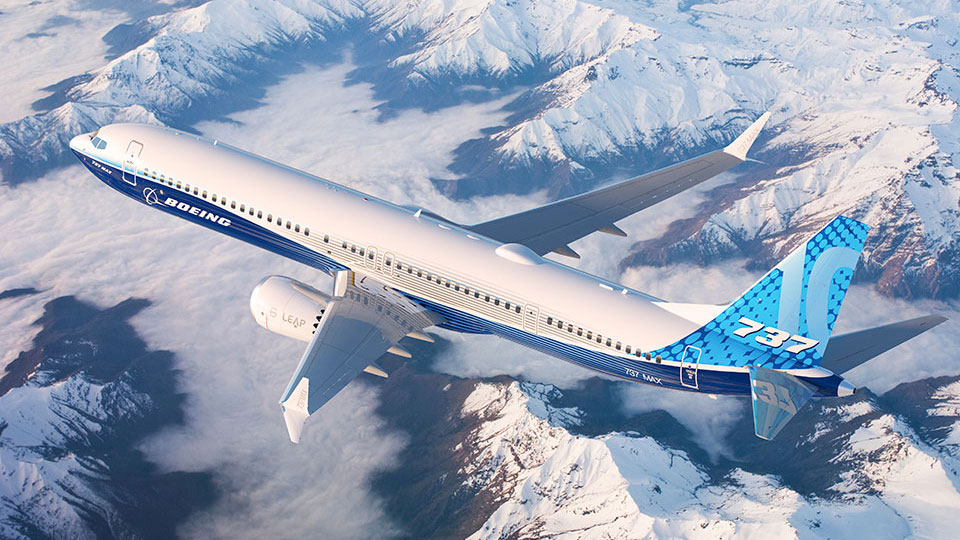
Alaska Airlines expects Boeing’s long-delayed 737 MAX 10 to receive US certification by the end of September, putting a much tighter timeframe on approval than Boeing itself has publicly offered as the manufacturer works through the final paperwork for its largest MAX.
Chief Operating Officer Jason Berry told Reuters that Alaska expects certification this month and plans to receive its first MAX 10 in the spring. The airline is targeting passenger service between April and mid-May.
Does Alaska Airlines know something about the MAX 10 certification we don’t?
There is no evidence that Alaska has been given advance notice of an FAA certification decision. The Federal Aviation Administration, not Boeing or its customers, decides when the aircraft has met the requirements for a type certificate.
What is clear is that Alaska’s expectation largely fits the signals coming from Boeing and the regulator in recent months.
Boeing CEO Kelly Ortberg said only last week that MAX 10 certification was coming “very soon.” Flight testing has been completed, and the remaining work is focused on documentation and regulatory close-out.

For Alaska, however, the date matters more than it does for most MAX 10 customers. The airline has built a sizeable part of its growth plan around the aircraft and now expects 22 deliveries in 2027 followed by another 30 in 2028.
In January, it placed the largest aircraft order in its history, including 105 MAX 10s and purchase rights for another 35.
Why Boeing’s 737 MAX 10 is still waiting
The MAX 10 has been in development for years and first flew in June 2021, but its certification became caught up in the wider regulatory overhaul that followed the two fatal MAX 8 accidents in 2018 and 2019.
More recently, Boeing has had to complete two significant changes affecting the MAX family.
One concerns the engine anti-ice system. Boeing discovered that under rare circumstances, prolonged use of engine anti-ice in dry air could cause parts of the engine nacelle to overheat. The company developed a design change that was incorporated into MAX 7 and MAX 10 certification work.
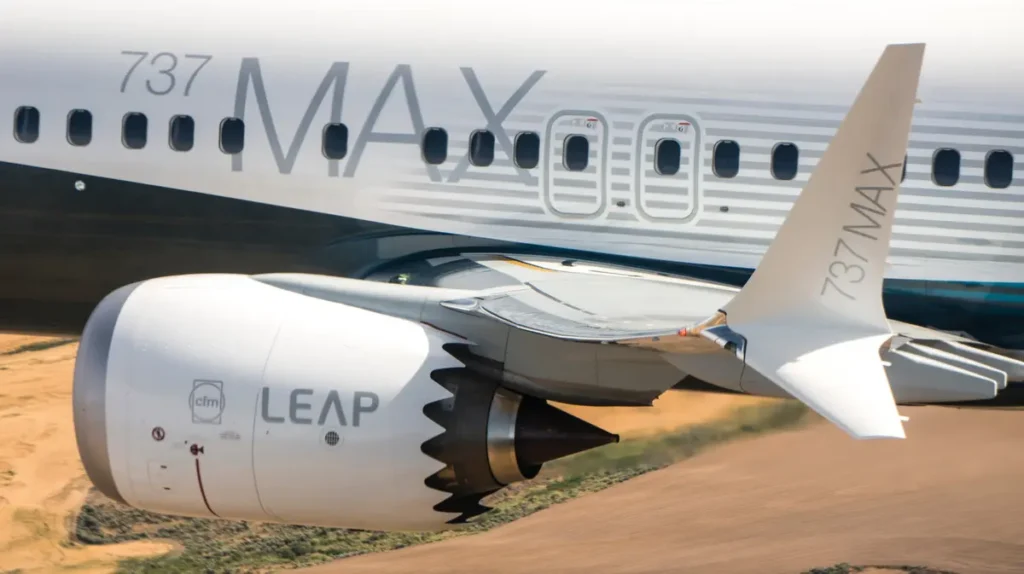
The second is an enhanced Angle of Attack, or eAoA, system, designed to use multiple sources of information to reduce the risk of erroneous cockpit warnings.
The safety enhancements are particularly significant because US legislation requires them to be incorporated across the MAX family after MAX 10 certification.
By July, Boeing said the MAX 10 had completed 98% of its certification flight testing, including around 2,060 flight hours and 972 test flights. Development Assurance Review 3 had been completed, while DAR 4 was 60% finished, and system safety submissions remained underway.
That final 2% subsequently disappeared. On July 28, Boeing completed the last planned MAX 10 certification flight, testing cabin systems including the lavatory smoke detector and public address system. The programme had by then accumulated more than 2,000 flight-test hours and nearly 1,000 certification flights.
But completing the flights is not the same thing as receiving a type certificate. Boeing still had to close Development Assurance Review 4, complete remaining system safety assessments and submit the associated certification material for FAA review.
The FAA has also been operating under far greater scrutiny of Boeing than before the MAX crisis. That oversight intensified again following the January 2024 in-flight door-plug blowout on an Alaska Airlines 737 MAX 9.
The regulator has since eased some restrictions after concluding Boeing had demonstrated improvements in production quality. In July this year, it restored Boeing’s authority to issue airworthiness certificates for all newly produced MAX and 787 aircraft under FAA oversight after an eight-month review.
That is separate from the MAX 10 type-certification process, but illustrates the wider regulatory environment in which the new model is seeking approval.
Is Alaska set to become the launch operator?
Not necessarily. Alaska has now provided one of the clearest schedules from any US airline for putting the MAX 10 into service, but that does not establish it as the aircraft’s launch operator.
United Airlines remains the largest MAX 10 customer, with 167 aircraft on order according to Boeing programme information previously reported by AGN, and is expected to be among the first airlines to receive the type.
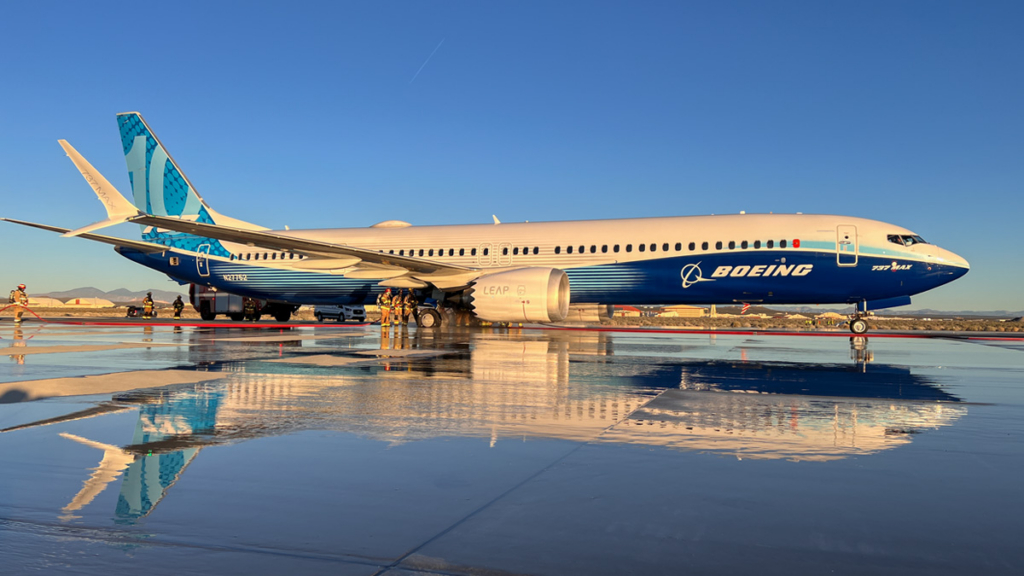
Which carrier ultimately operates the first revenue MAX 10 flight will depend on Boeing’s delivery sequence and each airline’s own preparations after FAA certification.
Alaska has another hurdle of its own. Berry told Reuters that after the MAX 10 itself is approved, Alaska must finish certification work associated with the head-up display used by its pilots. He expects that process to require a “few months”.
He described the schedule as “sporting”, but added: “We’re not panicking yet.”
That helps explain the gap between an expected September type certificate and Alaska’s planned spring 2027 delivery and April-to-mid-May entry into passenger service.
Why Alaska Airlines wants the biggest 737 MAX
The MAX 10 sits at the top of Boeing’s current single-aisle family and is the manufacturer’s closest answer to the Airbus A321neo.
The aircraft can carry around 230 passengers in a high-density layout, giving airlines more capacity without moving to a widebody or adding another flight.
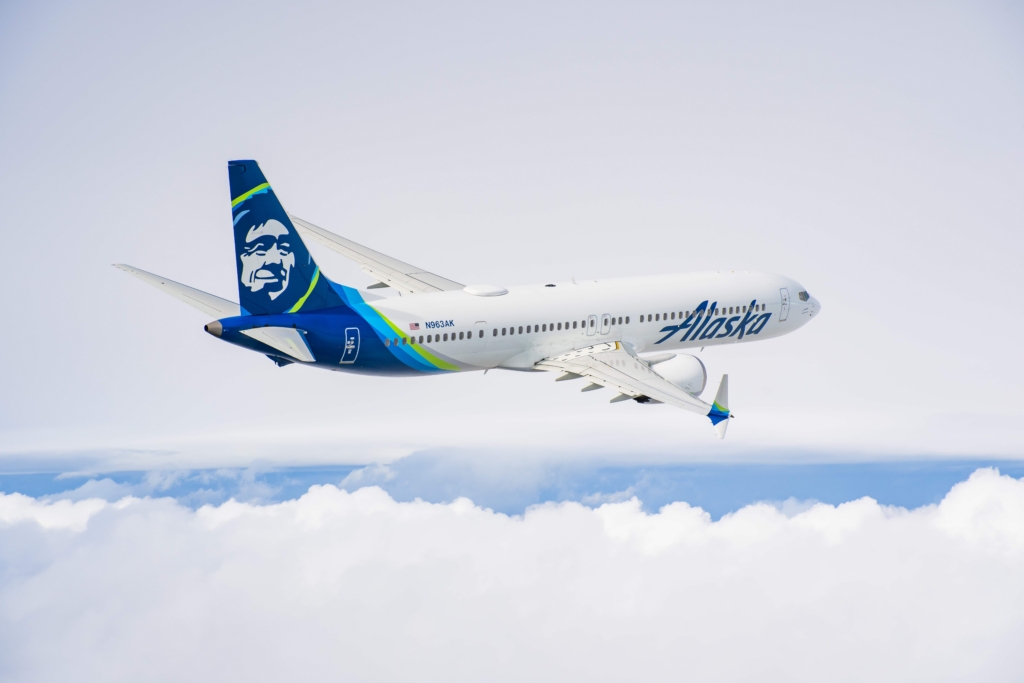
Berry said the airline could deploy the larger aircraft on heavily travelled routes including New York and Boston, adding seats without increasing frequencies. Alaska currently does not plan to install lie-flat seats on its MAX 10s, although Berry said that remains an option.
The aircraft has assumed even greater importance following Alaska Air Group’s acquisition of Hawaiian Airlines. Alaska is developing a broader network that ranges from dense domestic routes flown by 737s to long-haul international services using Hawaiian’s existing Airbus A330s and Alaska’s incoming Boeing 787-9s.
Its January order underlined how heavily the group is betting on Boeing. Alaska ordered 105 MAX 10s and five additional 787s, while securing rights for another 35 MAX 10s.
The airline’s SEC filing shows that as of June 30 it had firm orders for 168 737s for delivery between 2027 and 2035, plus purchase rights for another 71.
The MAX 10 is a critical aircraft for Boeing too
There is equally strong pressure on Boeing to get the MAX 10 across the line. The aircraft accounted for about 31% of Boeing’s undelivered 737 orders at the end of June, according to Reuters.
Until it is certified, Boeing cannot begin handing those aircraft to customers or collecting the bulk of the cash normally associated with delivery.
There is also a competitive issue as the MAX 10 is Boeing’s largest current narrowbody, putting it into the market dominated by Airbus’s A321neo family. Without the MAX 10 in service, Boeing lacks a certified MAX variant capable of competing at the upper end of the single-aisle market.
Boeing had previously said the MAX 7 would be certified first and the MAX 10 would follow. The smaller aircraft has now cleared that hurdle, leaving the MAX 10 as the final uncertified member of the family.
Ortberg’s “very soon” comment last week suggests Boeing also believes the programme is approaching its end.

